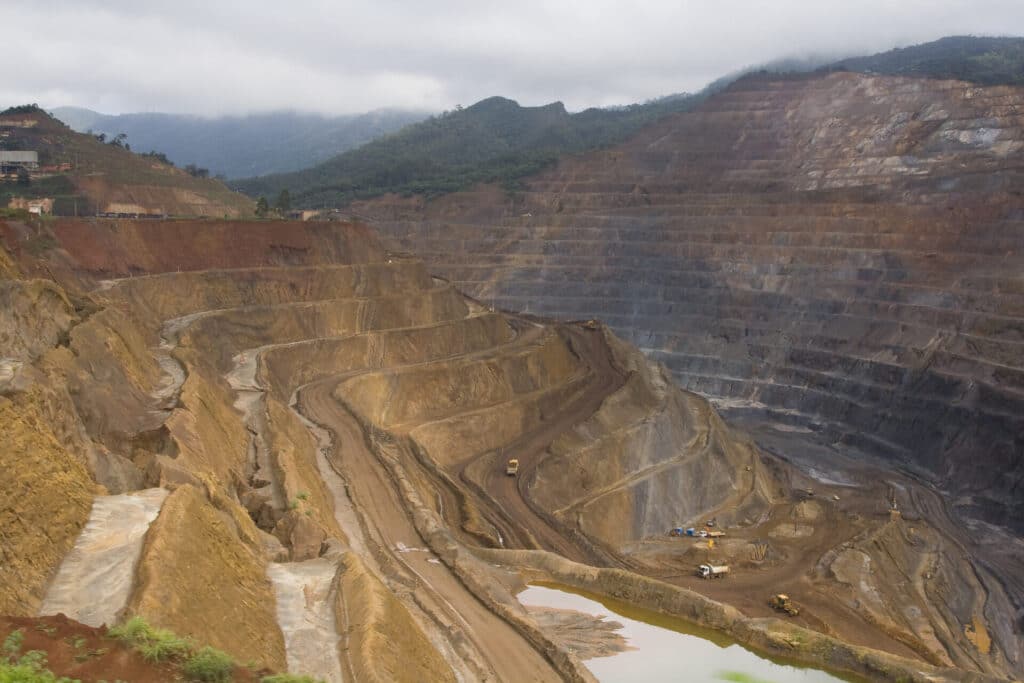
Identifying the most common wear points in your operation—and what they’re really costing you in downtime, maintenance, and lost production.
Introduction
In mining operations, wear isn’t a surprise, it’s a constant. But what often goes unnoticed is how much that wear is actually costing.
Premature component failure, unplanned downtime, and repeated maintenance in the same areas are rarely isolated issues. They’re signals. Signals that specific parts of your operation are under protected, improperly specified, or simply overlooked.
The reality is straightforward: a small number of high-wear areas are responsible for a disproportionate share of maintenance costs and operational disruption.
Identifying and addressing these areas is one of the fastest ways to improve up time and reduce total cost of ownership.
1. Transfer Points (Chutes, Hoppers, and Loading Zones)
Transfer points are one of the most aggressive wear environments in any mining operation.
Material impact, velocity, and constant abrasion combine to degrade surfaces quickly—especially in poorly lined or improperly designed systems.
What to look for:
Localized wear in high-impact zones
Frequent patching or liner replacement
Material buildup leading to flow issues
Where the cost shows up:
Repeated maintenance shutdowns
Reduced throughput due to poor material flow
Safety risks from material hang-ups
Opportunity: Engineered wear solutions in these areas can significantly extend service life and stabilize material flow, reducing both downtime and maintenance frequency.
2. Crushers (Primary and Secondary)
Crushers take the brunt of raw material processing—and it shows.
Wear parts inside crushers are expected to degrade, but excessive or uneven wear often points to deeper issues in material handling or component selection.
What to look for:
Uneven wear patterns on liners or wear components
Frequent changeouts beyond expected intervals
Reduced crushing efficiency over time
Where the cost shows up:
High replacement part consumption
Labor-intensive maintenance
Lost production during changeouts
Opportunity: Targeted material upgrades and component reinforcement can improve wear life and maintain consistent crusher performance over longer cycles.
3. Slurry Pumps and Piping Systems
In operations handling slurry, wear is constant and often underestimated.
The combination of abrasive particles and high-velocity flow leads to erosion in pumps, casings, and piping—especially at bends and transitions.
What to look for:
Thinning pipe walls or recurring leaks
Rapid degradation of pump components
Frequent replacement of elbows and fittings
Where the cost shows up:
Unplanned failures and emergency repairs
Pump inefficiency and energy loss
Inventory and replacement costs
Opportunity:
Applying wear-resistant overlays and engineered materials in high-impact zones can dramatically extend component life and reduce failure rates.
4. Augers, Conveyors, and Material Handling Equipment
Material handling systems run continuously—and even moderate wear adds up quickly.
Augers, screw conveyors, and belt systems are especially vulnerable in high-abrasion environments.
What to look for:
Edge wear on flights or blades
Material loss affecting performance
Frequent rebuilds or part replacements
Where the cost shows up:
Reduced material movement efficiency
Increased power consumption
Ongoing repair and replacement cycles
Opportunity: Reinforcing high-contact areas with specialized overlays can extend operating life and maintain consistent material handling performance.
5. Ground Engaging and Drilling Components
Drill bits, cutting tools, and ground-engaging components operate in some of the harshest conditions in mining.
Wear is inevitable—but rapid degradation isn’t.
What to look for:
Short life cycles on bits and tooling
Loss of cutting efficiency
Frequent tool changes impacting productivity
Where the cost shows up:
High consumable spend
Reduced drilling efficiency
Increased downtime for tool replacement
Opportunity: Strategic wear protection and rebuild programs can extend tool life and reduce the frequency of changeouts.
The Bigger Picture: Wear Is Predictable—If You Look in the Right Places
Most mining operations don’t have a wear problem everywhere. They have concentrated wear problems in a few critical areas.
The challenge isn’t identifying that wear exists—it’s recognizing:
Where it’s happening most
Why it keeps happening
And what it’s really costing the operation
This is where a more structured approach makes a difference.
Moving from Reactive to Predictable
Addressing high-wear areas isn’t about chasing failures, its about getting ahead of them.
A more effective approach includes:
Identifying repeat failure zones
Evaluating material and design limitations
Applying engineered solutions tailored to the application
Establishing a plan for ongoing wear management
Where Trimay Fits In
Trimay supports mining operations by focusing on the areas where wear has the greatest operational and financial impact.